Uni-1 model
How Luma AI Uni-1 Uses Transformer to Reshape Image Generation
LimaxAI Team • • 3 min read
This rewritten Uni-1 model and Uni-1 tutorial guide explains architecture, practical prompting, feature strengths, and production scenarios in a clean SEO-oriented format.
Keywords: Uni-1 model, Uni-1 tutorial.
Published: 2026-03-24
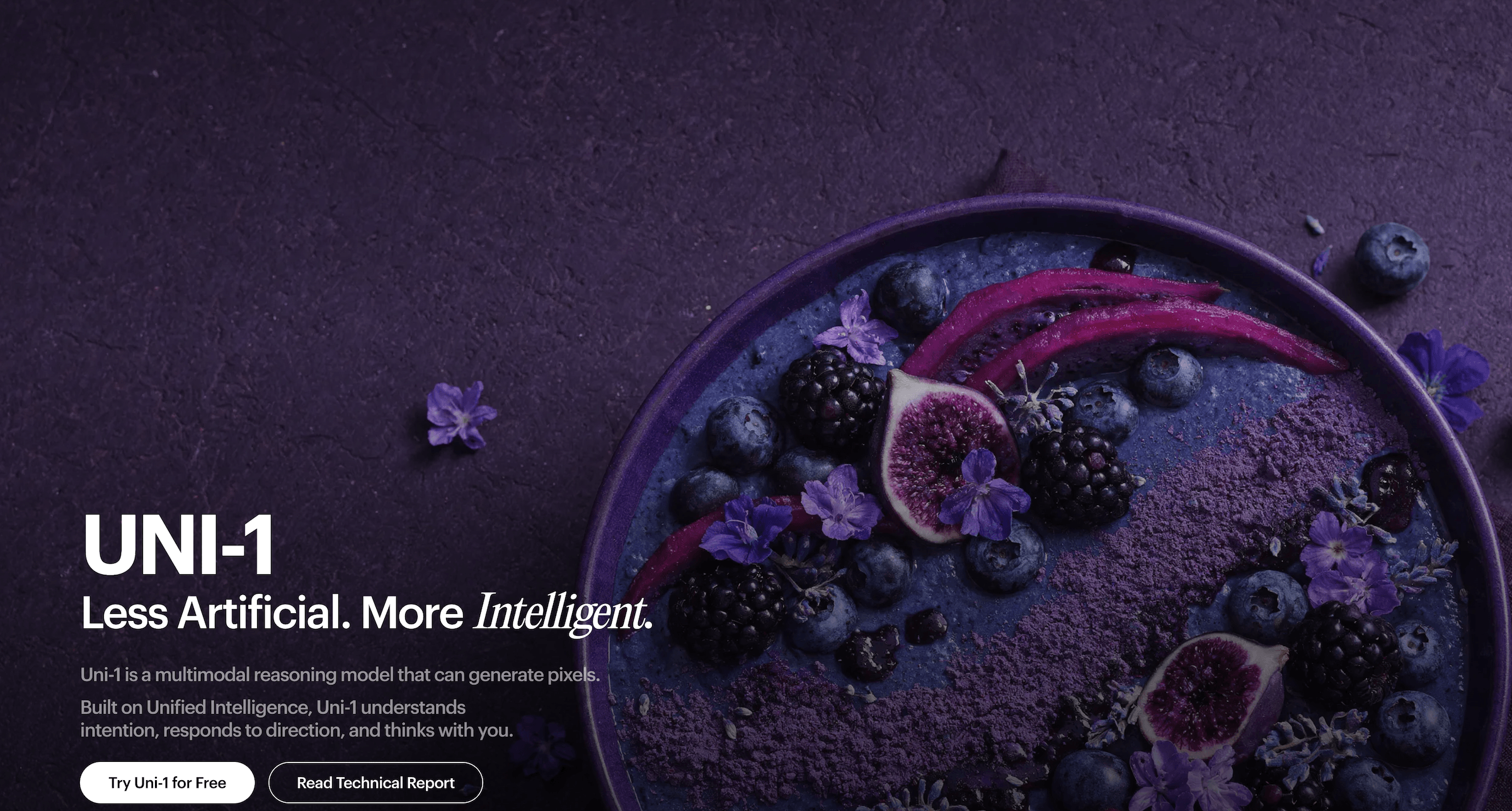
1. Uni-1 Core Capabilities and Technical Strengths
- Uni-1 shows strong detail control and reliable subject consistency for demanding visuals.
- Its Transformer-driven semantic modeling improves structural coherence in complex compositions.
- It fits cover design, e-commerce hero images, social media assets, and tutorial visuals.
2. Prompt Workflow and Practical Tips
- Use a structured prompt: subject + scene + style + lighting + camera + quality.
- Run low-cost drafts first, then lock composition and palette for batch output.
- Keep style keywords fixed and reduce noisy modifiers for higher consistency.
Cinematic commercial visual, premium texture, controlled lighting, strong subject focus, ultra detailed, editorial style, high consistency3. Business Scenarios and Model Selection
| Dimension | Uni-1 Performance | Practical Advice |
|---|---|---|
| Detail quality | Clear texture hierarchy and stable edges | Define materials first, then add lighting and camera |
| Style consistency | Higher consistency across batch outputs | Lock style keywords and adjust only a few variables |
| Commercial fit | Strong fit for conversion-oriented visuals | Preset ratio and composition per scenario |
4. Conclusion: How to Get Stable Uni-1 Results
Across practical tests, Uni-1 delivers controllable, stable, and scalable generation quality. If you want to switch models quickly in one workspace and optimize continuously, use LimaxAI directly.